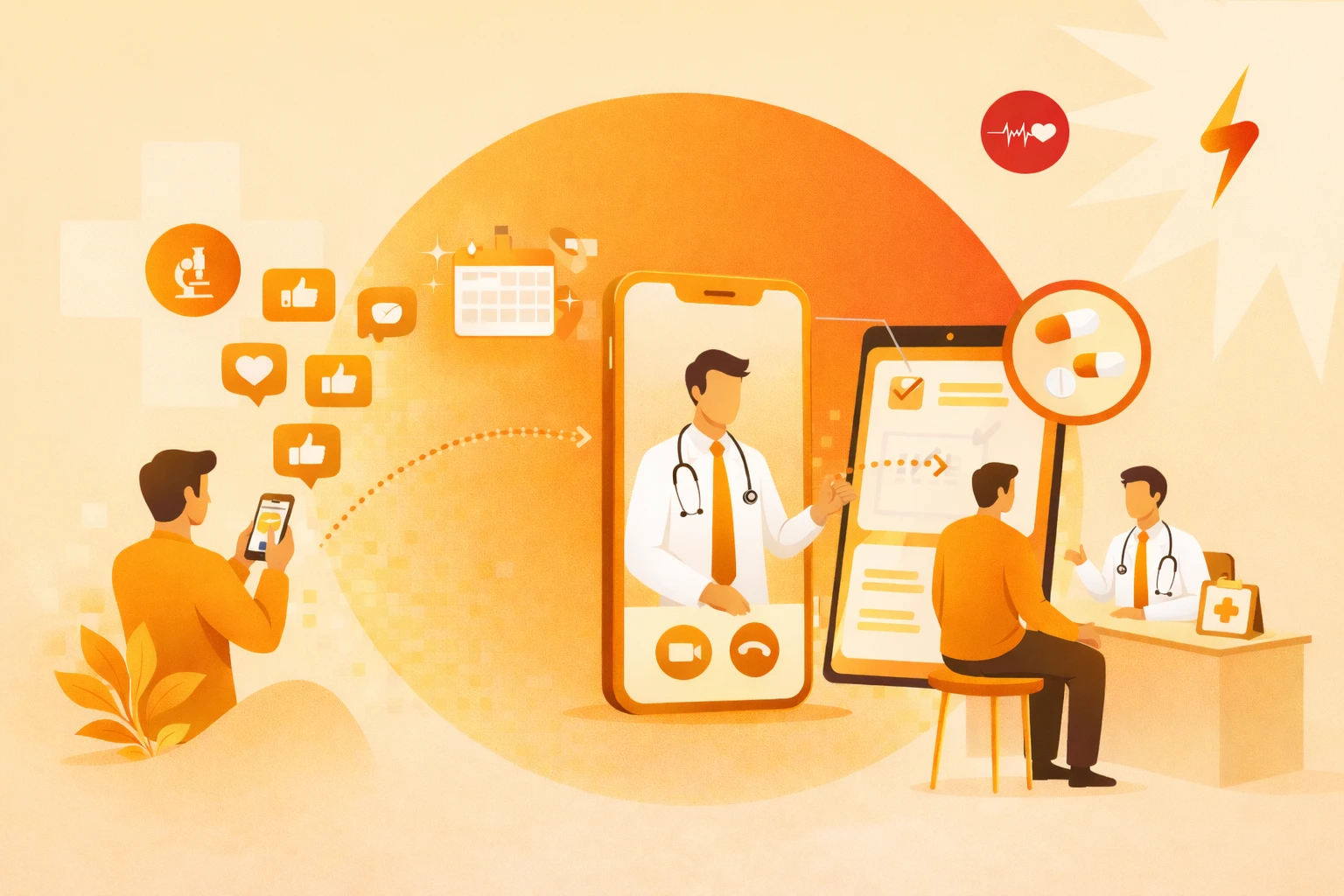
Not too long ago, the patient journey was simple and linear. You felt unwell, asked a friend or family member for a recommendation, and visited a doctor. Today, that journey has transformed dramatically. It now often begins with a scroll.
Social media platforms have become the new front door to healthcare. Whether it’s a late-night search for symptoms, a reel explaining skincare routines, or a patient testimonial on YouTube, people are discovering, evaluating, and even trusting healthcare providers long before stepping into a clinic. This shift is not just changing patient behavior; it’s redefining how healthcare brands communicate, engage, and build credibility.
The New First Step: Awareness Through Content
Today’s patients are informed, curious, and digitally active. Platforms like Instagram, YouTube, and even LinkedIn are flooded with bite-sized medical advice, myth-busting content, and expert opinions. A well-crafted post from a doctor can reach thousands, sometimes millions of potential patients in seconds.
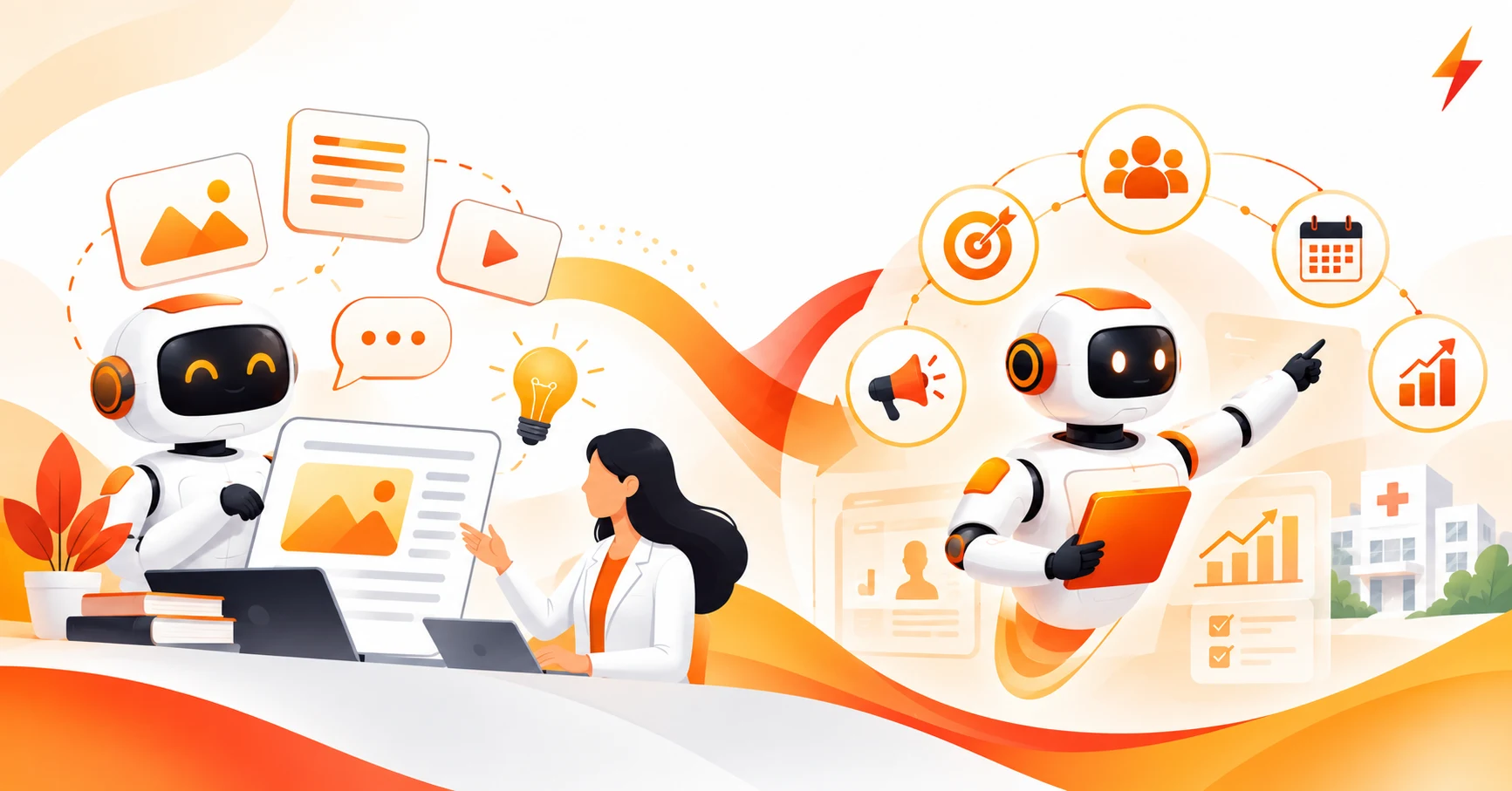
This is where a healthcare marketing agency plays a crucial role. By helping doctors and healthcare brands create meaningful, compliant, and engaging content, these agencies ensure that the first interaction a patient has is both informative and trustworthy. It’s no longer about just being present online; it’s about being relevant.
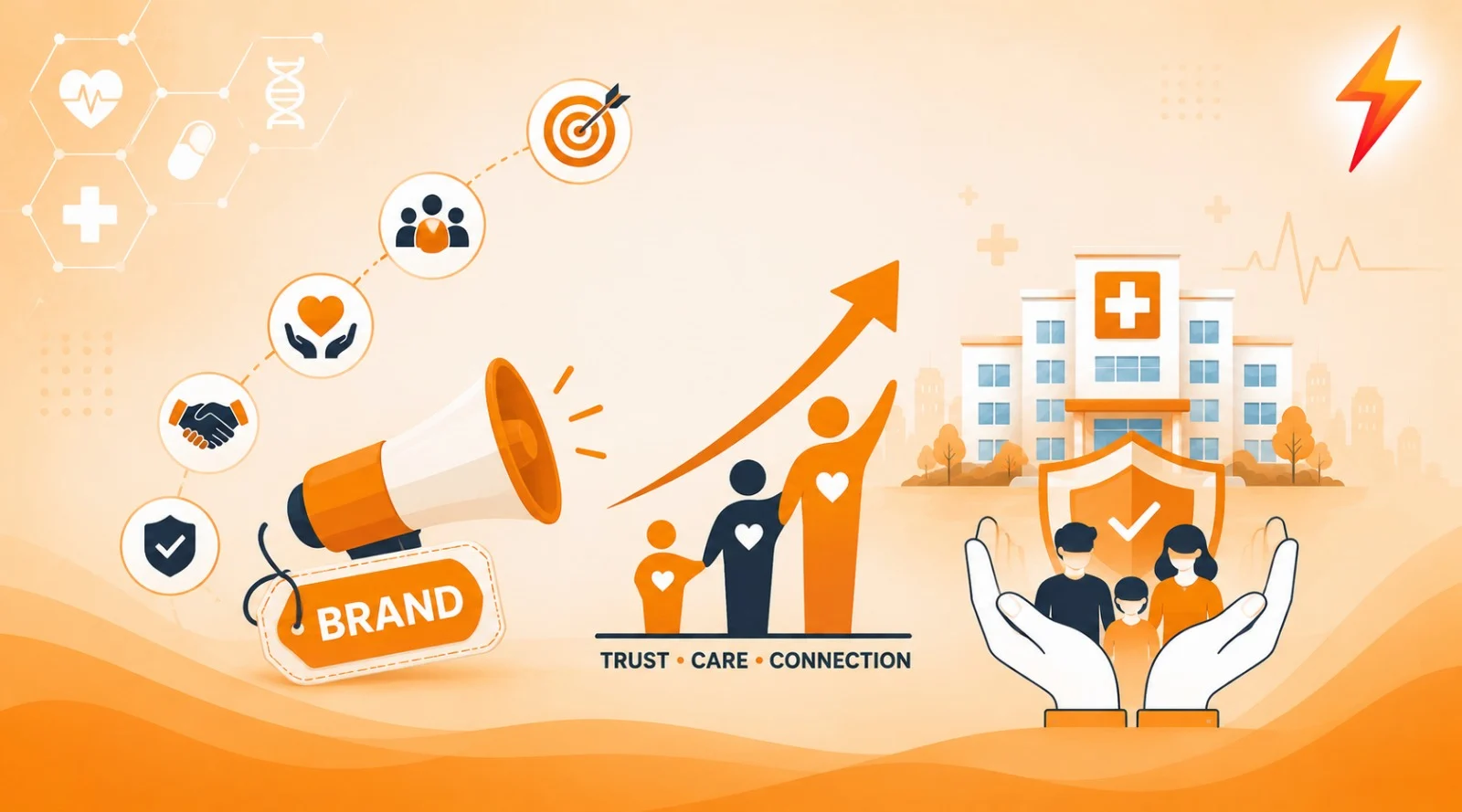
 Trust is the New Currency
In healthcare, trust has always been important. But social media has added a new dimension to it visibility. Patients today don’t just want qualified doctors; they want relatable ones. They look for consistency in communication, clarity in explanations, and authenticity in tone.
A medical marketing agency understands this shift deeply. It focuses on humanizing healthcare brands—turning doctors into educators, clinics into communities, and information into conversations. Reviews, patient testimonials, and before-and-after transformations further strengthen this trust, making the decision-making process smoother for patients.
From Passive Viewing to Active Engagement
One of the most powerful aspects of social media is interaction. Patients are no longer passive recipients of information. They ask questions in comments, participate in live sessions, respond to polls, and even share their own experiences.
This two-way communication creates a sense of connection. A pharma marketing agency, for instance, can help pharmaceutical brands simplify complex information into digestible formats while ensuring compliance. When patients understand better, they engage more, and engagement often leads to action.
 The Role of Micro-Moments
Google calls them “micro-moments,” those instances when a person turns to their phone to learn, discover, or decide something. In healthcare, these moments are critical. A quick search like “why does my skin itch at night” or “is hair fall normal after pregnancy” can lead users to social media content before they even visit a website.
If your brand shows up at that moment with the right content, you’ve already taken the first step in the patient journey. A healthcare marketing agency specializes in identifying and capturing these moments through strategic content planning, SEO integration, and platform-specific storytelling.
Bridging the Gap Between Information and Action
The ultimate goal of any healthcare communication is to drive action booking an appointment, scheduling a consultation, or seeking professional advice. Social media acts as a bridge between curiosity and conversion.
Clear call-to-actions, easy booking links, WhatsApp integrations, and direct messaging features make it seamless for patients to move from “just browsing” to “I need to consult a doctor.” A medical marketing agency ensures that this transition is smooth, intuitive, and user-friendly.
 Data-Driven Personalization
Another game-changer is data. Social media platforms provide deep insights into user behavior—what they watch, like, share, and save. This allows healthcare brands to tailor their messaging to specific audiences.
A pharma marketing agency can use this data to run targeted campaigns, ensuring that the right message reaches the right patient at the right time. Whether it’s promoting awareness about a condition or launching a new product, personalization increases both relevance and effectiveness.
 The Future: Integrated, Digital-First Journeys
The patient journey is no longer confined to physical touchpoints. It’s an integrated experience that blends digital discovery with offline care. Social media is not replacing doctors—it’s guiding patients to them in a more informed and confident way.
For healthcare brands, this means one thing: adapt or fall behind. Partnering with a healthcare marketing agency, medical marketing agency, or pharma marketing agency is no longer optional—it’s essential. These experts don’t just manage social media; they shape patient experiences.
Final Thoughts
From the first scroll to the final consultation, social media is rewriting every step of the patient journey. It’s making healthcare more accessible, more transparent, and more human.
And in a world where attention is fleeting, the brands that educate, engage, and empathize will be the ones that truly make a difference.