
For decades, the pharmaceutical and healthcare industry operated on a prescriber-first model. The logic was simple: convince the doctor, and the patient will follow. However, as we navigate the complexities of the 2026 healthcare landscape, that linear path has permanently shifted. Patients today are no longer just passive recipients of care. They are empowered, digitally savvy, and often skeptical consumers who fact-check every claim before a single tablet is popped.
In this environment, “patient centricity” cannot remain a corporate buzzword on a slide deck. For a healthcare marketing agency or a healthcare advertising agency to deliver real value, the strategy must pivot from brand-centric promotion to deep, empathy-led orchestration.
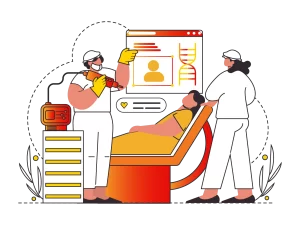 The New Reality of the Empowered Patient
The rise of AI-powered search engines and the health-tech explosion in India have created a new set of expectations. Patients now judge their experience with a pharma brand or a hospital against the frictionless service they get from a fintech app or an e-commerce giant. If your digital journey is clunky, they will find a competitor who respects their time and intelligence.
A modern medical marketing agency understands that patient centricity is about removing friction. It starts with mapping the patient journey to identify “pain points” like diagnosis delays, insurance confusion, or medication side effects. By addressing these barriers through targeted digital healthcare marketing, brands can move from being “sellers” to becoming “care partners.”
 Strategy 1: Education as a Tool for Empowerment
In 2026, the most effective healthcare branding is educational. Patients are looking for clarity amidst a sea of online misinformation. Brands that provide high-quality, scientifically accurate, and easy-to-digest content are the ones that earn trust.
This involves moving beyond simple brochures to:
- Physician-led video content: Short-form, 60-second clips where specialists address common patient fears.
- Interactive health literacy hubs: Dedicated sections on brand websites that explain therapy areas in plain, regional languages.
- Schema-optimized FAQs: Ensuring that when a patient asks an AI assistant about a specific condition, your brand’s verified information is the source of truth.
 Strategy 2: Navigating the Privacy-First Landscape
In India, the full implementation of the Digital Personal Data Protection (DPDP) Act has changed the rules of engagement. Patient-centricity now means respecting privacy by default. You cannot build trust while playing fast and loose with sensitive medical data.
A specialized healthcare advertising agency ensures that every campaign is “Privacy-First.” This means moving away from invasive third-party tracking and focusing on first-party data. By being transparent about how data is used and offering patients a clear “Value Exchange” for their information, brands can build a deeper, more ethical connection.
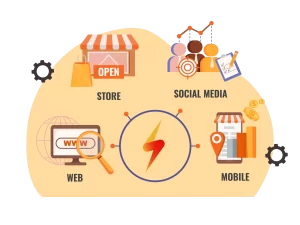 Strategy 3: Moving from Multichannel to Omnichannel Orchestration
True patient-centricity requires a connected ecosystem. A patient might see a social media post, then visit a website, and finally receive a WhatsApp reminder for their follow-up appointment. If these touchpoints feel disconnected, the brand’s credibility drops.
Omnichannel orchestration ensures that the message is consistent across every platform. For pharma brands, this also means aligning the digital experience with the physical field rep visits. When a medical marketing agency integrates these channels, the patient feels supported at every stage of their treatment, which significantly improves long-term adherence and health outcomes.
The Role of Experience in 2026
With over 20 years of experience in the Indian healthcare and pharma space, we have seen the industry transition from paper-based visual aids to AI-driven ecosystems. This legacy is vital because while technology changes, human psychology does not.
A veteran healthcare marketing agency like Synapse Marketing Consultancy brings a unique perspective to this evolution. We understand the regulatory nuances of the Indian market, the high-pressure environment of the medical professional, and the deep-seated anxieties of the patient. We don’t just chase digital trends; we build strategic frameworks that respect the sanctity of healthcare while leveraging the power of modern technology.
Conclusion: The Future of Trust
The goal of healthcare advertising in 2026 is not to scream the loudest, but to be the most trusted. Patient-centricity is the only sustainable path to building that trust. By focusing on education, privacy, and seamless orchestration, healthcare brands can create a lasting impact that goes far beyond the molecule.
When you partner with an agency that understands the full spectrum of medical marketing, you aren’t just buying a campaign. You are investing in a strategic vision that aligns your brand’s success with better patient outcomes. If you are ready to rethink how your brand interacts with the modern patient, let’s start that conversation today.