Introduction
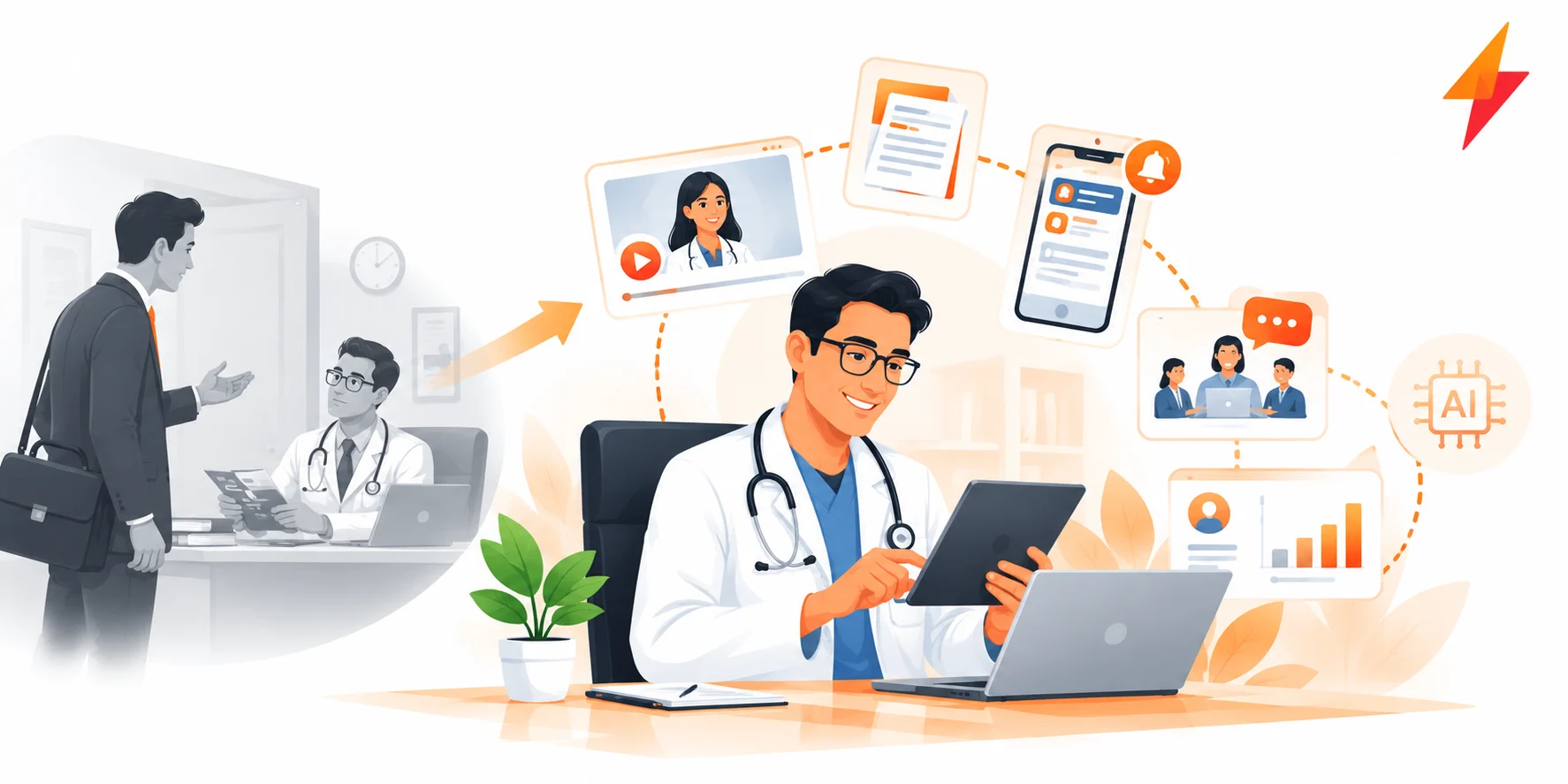
The way people search for healthcare information is changing. A patient may use Google to understand a symptom, ask an AI chatbot about a medical condition, or look for a quick answer through an AI-powered search platform. Healthcare professionals are also using digital tools to access information and explore medical topics.
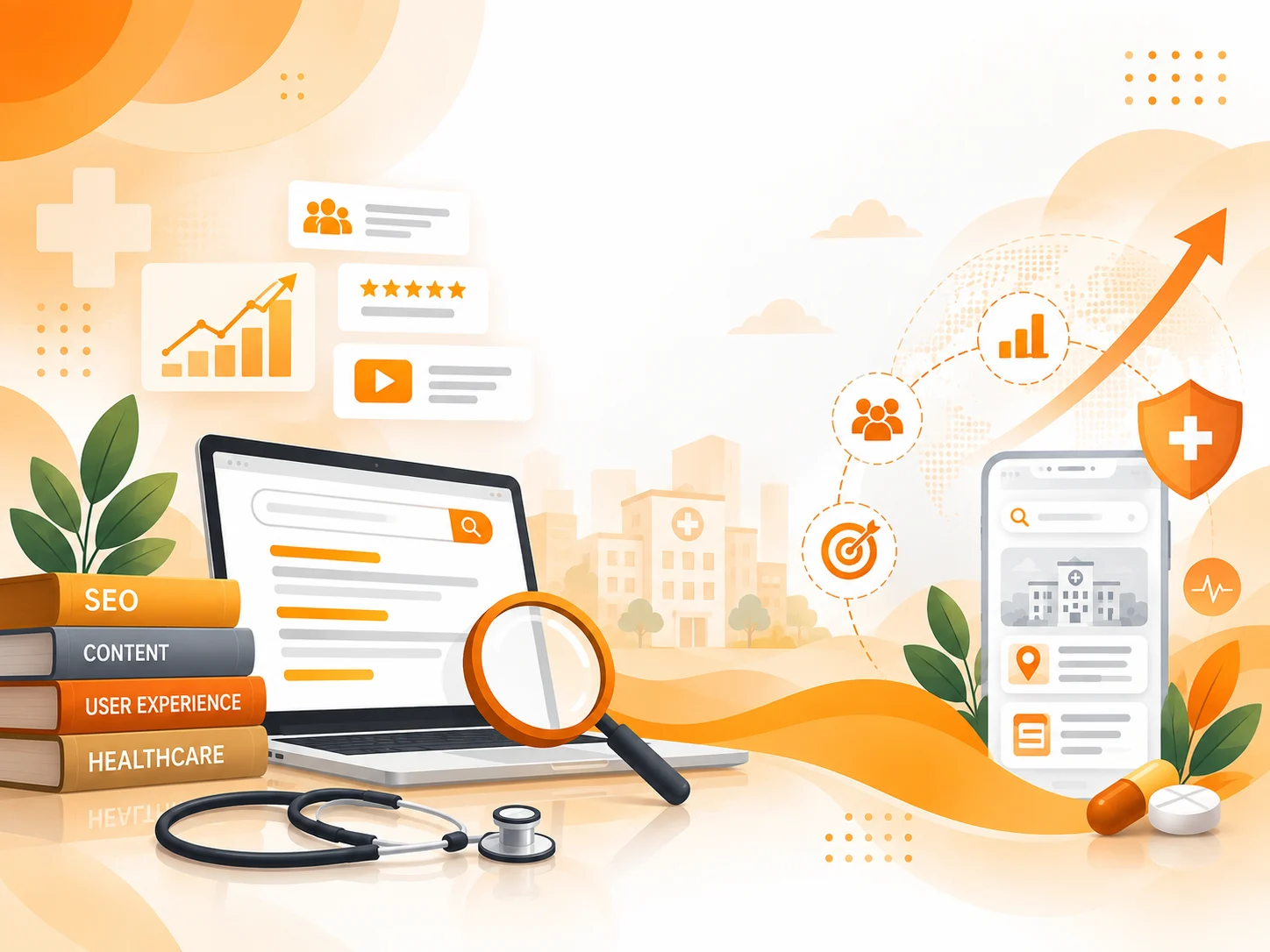
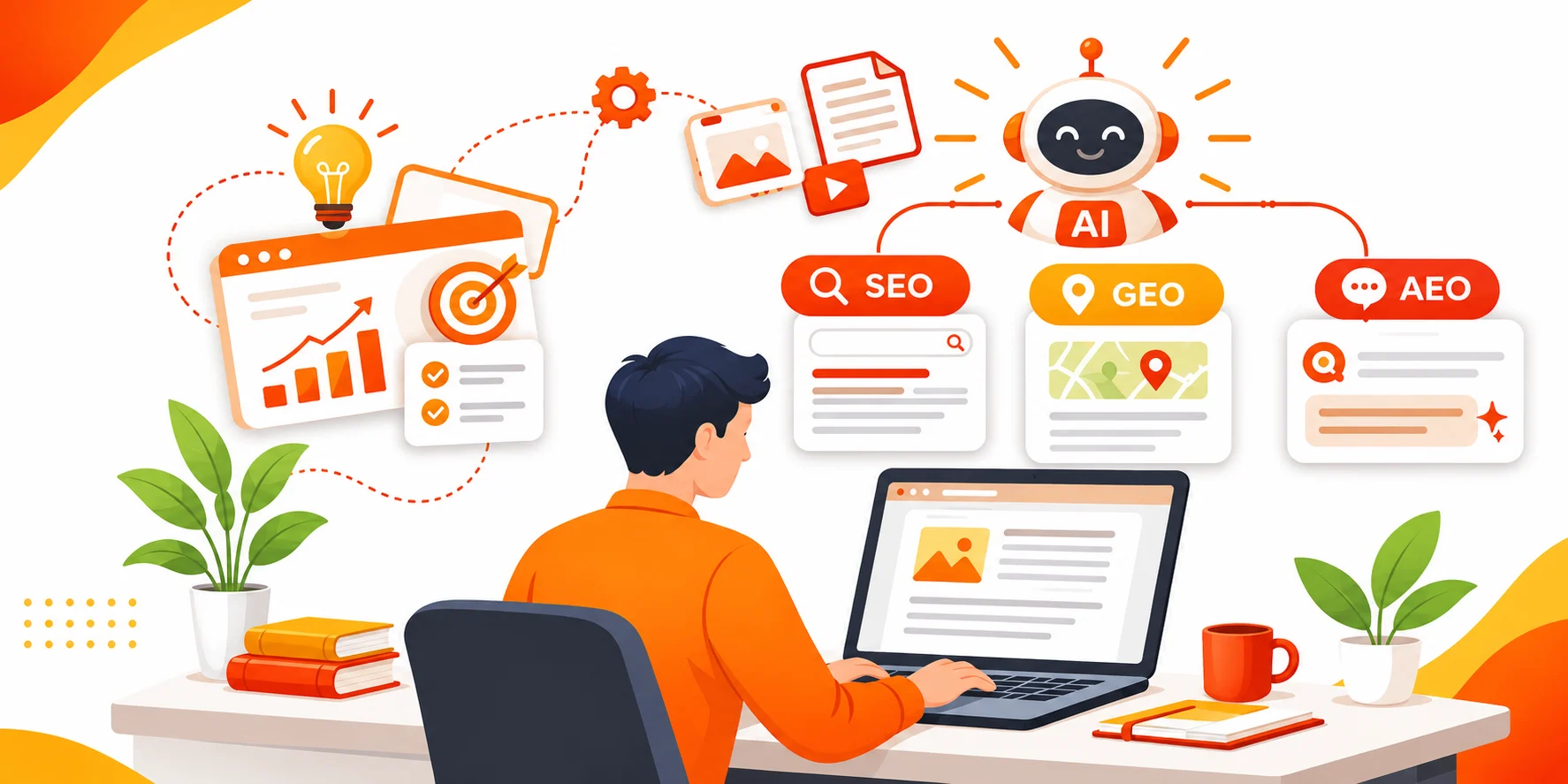
This shift means healthcare brands need to think beyond traditional search engine optimisation. Their content must also be easy for generative AI platforms and answer engines to understand and reference. This is where SEO, GEO and AEO come together. The objective is simple: create accurate, useful and well-structured content that people can trust and digital platforms can understand.
 What is AI-ready content?
AI-ready content is clearly written, accurately sourced, audience-relevant information, structured for easy understanding. It combines traditional SEO practices with Generative Engine Optimisation (GEO) and Answer Engine Optimisation (AEO).
For healthcare brands, this means answering relevant questions, explaining medical information responsibly, using credible sources, and organising content logically. It is not about writing exclusively for machines. It is about making valuable information easier to discover and access.
Understanding SEO, GEO and AEO
Although these three approaches are connected, each serves a different purpose.
Search Engine Optimisation (SEO) improves a website’s visibility in traditional search results. It involves keyword research, useful content, website structure, technical performance and relevant internal links. For example, an article about diabetes should address common questions, such as symptoms, diagnosis, and management.
Generative Engine Optimisation (GEO) focuses on making content easier for generative AI platforms to discover, understand, and potentially reference when preparing responses. Clear explanations, credible sources, and well-defined topics help make information more useful to these platforms.
Answer Engine Optimisation (AEO) focuses on answering specific questions directly. When someone searches for the early signs of diabetes or the purpose of a diagnostic test, content should provide a clear and relevant answer without making the reader navigate through unnecessary information.
Together, SEO, GEO and AEO help healthcare brands improve content discovery across different search experiences.
 How to create AI-ready content for healthcare brands
1. Understand what your audience is searching for
Effective content begins with understanding the questions people actually ask. Healthcare brands should consider common patient concerns, HCP information needs, search queries and questions related to their therapeutic areas.
For example, someone searching for information about high blood pressure may want to understand its symptoms, risk factors, diagnosis and treatment. An article should address these needs rather than simply repeat the same keyword throughout.
This approach also helps create useful AI medical content and supports AI for patient education by making information relevant to real concerns.
2. Organise content around clear topics
Every article should have a defined subject and purpose. Instead of covering several unrelated medical topics in one blog, healthcare brands can build content around connected themes.
For instance, a central page about heart health can link to supporting articles on cholesterol, blood pressure, lifestyle changes and preventive care. This creates a logical content structure and helps search engines understand how different pages relate to each other.
A planned approach to AI in healthcare marketing can help brands maintain this consistency across their websites and digital communication.
3. Prioritise clarity and readability
Medical information can be complicated, but the language used to explain it does not have to be. Avoid unnecessary jargon, explain technical terms, and use descriptive headings that tell readers what each section covers.
Each section should address one central idea and provide enough context to make it understandable. This is particularly important when information is accessed through a healthcare AI chatbot or an AI assistant for healthcare websites. Clear content makes it easier for people to understand the information they receive.
4. Use credible sources and medical review
Accuracy is essential in healthcare communication. Information about symptoms, diagnosis, medication and treatment should be supported by reliable medical sources and reviewed by qualified professionals.
Brands should also provide references for important claims and regularly review published content for outdated information. AI-generated content must not be published without proper checks. A healthcare AI chatbot is only as useful as the quality of the information behind it, along with the safeguards that guide its responses.
5. Structure content to answer questions
AEO works best when content addresses specific questions clearly. Descriptive headings, definitions, FAQs and step-by-step explanations can help readers locate relevant information quickly.
For example, an article about a diagnostic test could explain why it is performed, how to prepare, what happens during the test and what the results may indicate. This also creates useful material for digital assistants and supports AI assistant for healthcare websites that respond to user queries.
6. Keep information updated
Healthcare information can change as medical guidelines and scientific understanding develop. Outdated content can affect a brand’s credibility and the usefulness of its website.
A regular review process should check medical claims, update references, correct errors and remove irrelevant information. AI tools can help teams identify content that needs attention, supporting healthcare marketing automation using AI. However, suggested changes should always undergo appropriate human review.
 The role of AI in healthcare content creation
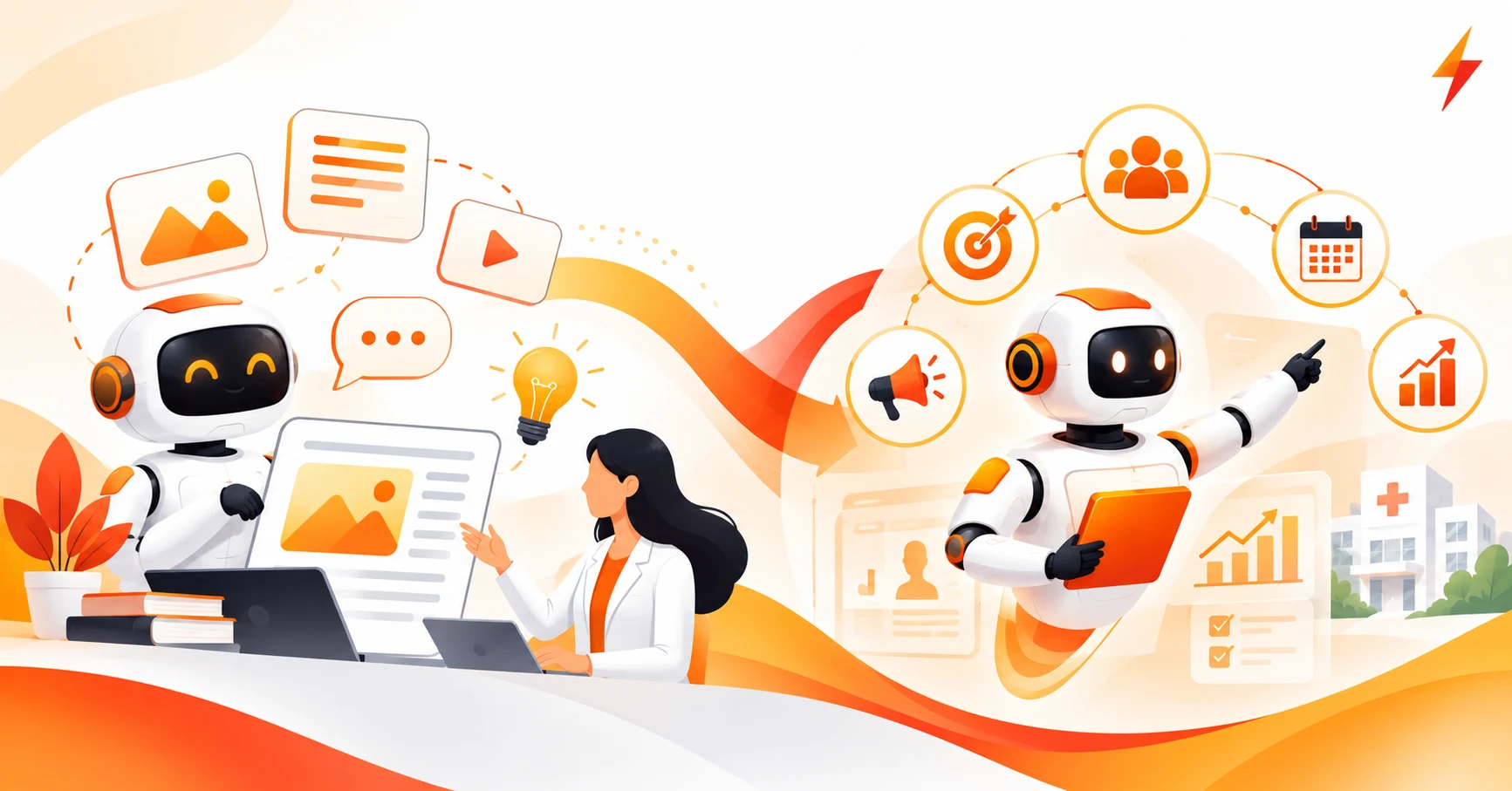
AI tools can support research, content planning, outlining, editing and adapting approved information for different digital formats. They can also help improve AI healthcare communications by making it easier for teams to manage content across multiple platforms.
However, AI should support content teams, not replace their judgement. Generated information can contain factual errors, outdated claims or missing medical context. Every piece of healthcare content needs editorial checks and appropriate medical review.
The same principle applies to AI for pharma marketing. Content intended for doctors and other healthcare professionals must be scientifically relevant and appropriate for its intended audience. AI doctor engagement and AI for medical affairs may offer new ways to organise and deliver information, but medical expertise and responsible oversight remain essential.
Common mistakes healthcare brands should avoid
One common mistake is creating content only to include keywords. Repetition without useful information can make an article difficult to read. Another is assuming that publishing large volumes of AI-generated content will automatically improve search visibility.
Brands should also avoid unsupported medical claims, generic FAQs, poor website structure and outdated references. GEO and AEO should not be treated as replacements for traditional SEO. Each contributes to a different part of the content discovery process, and a balanced strategy is more effective.
 How Synapse can help healthcare brands prepare for AI-led discovery
As search behaviour evolves, healthcare brands need content strategies that account for traditional search engines as well as AI-powered platforms. This requires audience understanding, relevant topic planning, credible content, strong website structure and consistent communication.
At Synapse Marketing Consultancy, we bring together healthcare marketing knowledge, content strategy and digital expertise to help brands strengthen their online presence. From healthcare SEO and AI medical content to AI patient engagement and AI for pharma marketing, the focus is on making healthcare communication more relevant, accessible and useful.
Whether a brand is exploring a healthcare AI chatbot, improving its website content or developing a broader AI in pharmaceutical marketing strategy, the foundation remains the same: reliable information, clear communication and a well-planned digital experience. The key takeaway is that AI-ready content depends on trustworthy information, clear structure, and regular review.
Frequently Asked Questions
- What is the difference between SEO, GEO and AEO?
SEO improves visibility in traditional search engines. GEO focuses on making content accessible to generative AI platforms, while AEO helps content provide direct answers to specific questions.
- How is AI transforming healthcare marketing?
How AI is transforming healthcare marketing can be seen in content planning, patient communication, automation, digital assistants and HCP engagement. It can help teams work more efficiently while improving access to relevant information.
- What makes content suitable for AI-powered search platforms?
Clear structure, reliable information, relevant answers, descriptive headings, credible references and regular updates make content easier to understand and use.
- Can AI tools create medical content independently?
AI tools can assist with research and drafting, but medical content requires fact-checking, editorial oversight and review by qualified professionals before publication.
- What should brands look for in the best AI chatbot for healthcare websites?
The best AI chatbot for healthcare websites should provide reliable information, protect user privacy, communicate clearly, recognise its limitations and direct users towards professional medical help when required.
- How can AI support patient education?
AI for patient education can make health information more accessible through conversational tools, easy-to-understand explanations and relevant information journeys, with appropriate medical safeguards.
Conclusion
The future of healthcare content will depend not just on how much information brands publish, but on how useful, accurate, and accessible that information is. SEO, GEO and AEO offer different ways to improve content discovery, but all three rely on a strong foundation of quality information.
For healthcare brands, becoming AI-ready means answering real questions, supporting claims with credible sources and communicating clearly. Technology will continue to change how people find information, but the responsibility to provide trustworthy healthcare communication will remain with the brands creating it.