
Healthcare decisions are often seen as rational choices built on science, evidence, and numbers. On paper, that sounds accurate. Doctors review clinical studies, patients compare treatment options, and brands present efficacy data. But in the real world, decisions in healthcare are rarely based on data alone. Human emotions quietly influence trust, confidence, urgency, and action at every stage.
This creates an important question for brands, hospitals, and healthcare communicators: what actually drives healthcare decisions, data or emotion?
The honest answer is both. And understanding this balance is where a smart healthcare marketing agency can create a meaningful impact.
 Why Data Matters in Healthcare
Unlike many industries, healthcare cannot rely only on attractive messaging or creative storytelling. Lives, outcomes, and well-being are involved. People want proof before they make decisions.
Doctors need clinical evidence before prescribing a product. Patients look for safety, side effects, success rates, and long-term outcomes. Hospitals compare technologies based on efficiency and results. In the pharmaceutical world, data is the language of credibility.
That is why every experienced pharma marketing agency knows that facts are non-negotiable. Strong data builds confidence. It reassures doctors that a therapy is effective. It helps patients understand treatment value. It supports decision-makers who must justify choices responsibly.
Without evidence, trust weakens quickly.
But Emotion Is Always in the Room
Even when data is strong, people still make decisions emotionally first and rationally second.
Think about a patient choosing a surgeon. Two doctors may have similar qualifications, but the patient often chooses the one who feels more reassuring, empathetic, or approachable.
Think about a physician deciding whether to engage with a new brand. Scientific claims matter, but so does trust in the company, clarity of communication, and past experience.
Think about caregivers selecting a hospital for a loved one. Metrics matter, but emotional comfort matters too.
Fear, hope, anxiety, relief, confidence, and trust are powerful drivers in healthcare. People may not always say it openly, but emotions shape perception and action every day.
This is where a skilled medical marketing agency understands that communication should not feel cold or robotic. Facts may open the door, but emotion often decides whether someone walks through it.
 The Psychology Behind Healthcare Choices
Behavioral science has shown repeatedly that humans are not purely logical decision-makers. We use shortcuts, personal experiences, and emotional cues to process complex information.
Healthcare decisions are especially vulnerable to this because they usually happen under stress.
A patient receiving a diagnosis may not remember every statistic shared during the consultation. But they will remember how the doctor made them feel.
A physician overwhelmed with information may not read every technical detail in a campaign. But they will notice messaging that feels relevant, clear, and trustworthy.
A hospital administrator may review performance numbers, but reputation and confidence still influence final decisions.
That is why the best healthcare communication combines science with empathy.
 What Brands Often Get Wrong
Many healthcare brands lean too heavily on one side.
Some focus only on numbers, graphs, percentages, study tables, and technical claims. While important, this can feel distant and forgettable.
Others rely too much on emotional storytelling without enough substance. That may attract attention briefly, but it does not sustain credibility.
The strongest brands do both well. They present evidence clearly while making it human, relatable, and meaningful.
A modern healthcare marketing agency helps brands find this balance. It transforms dry data into compelling narratives without losing scientific integrity.
 How Smart Healthcare Marketing Works Today
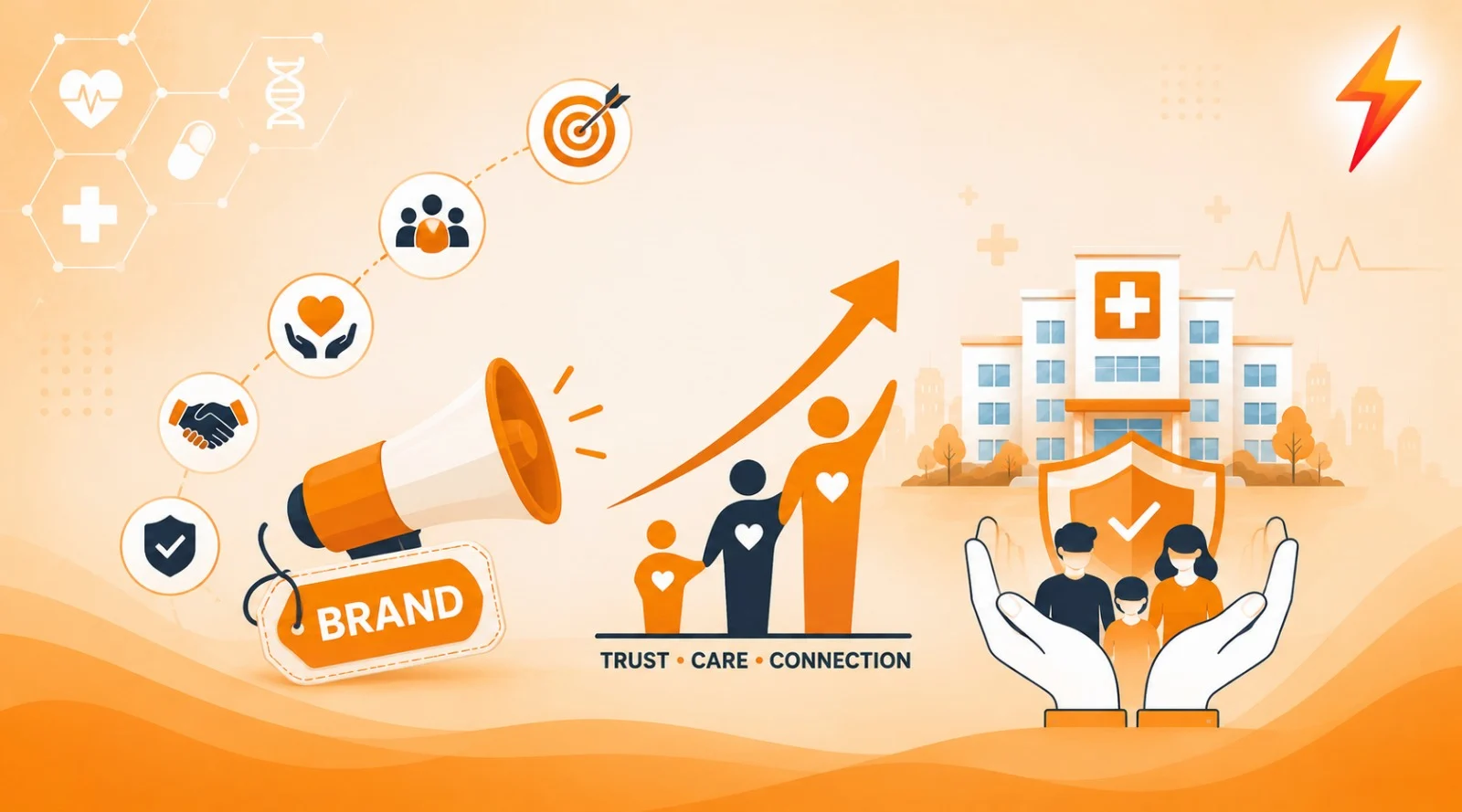
Successful healthcare communication today follows a simple principle: inform the mind, move the heart.
For doctors, that may mean concise scientific content supported by practical patient outcomes.
For patients, it may mean simplifying complex treatment information into understandable benefits.
For hospitals, it may mean showing both measurable excellence and compassionate care.
For pharma companies, it means building trust over time, not just promoting products.
An experienced pharma marketing agency understands regulatory boundaries while still creating communication that resonates emotionally. That balance is rare—and valuable.
Similarly, a strong medical marketing agency knows how to speak differently to doctors, patients, caregivers, and institutions while staying consistent in brand voice.
So, What Actually Drives Decisions?
If we are being honest, data justifies decisions. Emotion initiates them.
People want evidence, but they also want reassurance.
They want results, but they also want hope.
They want expertise, but they also want trust.
Healthcare decisions happen where logic and humanity meet.
Final Thoughts
The future of healthcare marketing does not belong to brands that choose data over emotion or emotion over data. It belongs to brands that understand both.
Because behind every prescription, appointment, treatment plan, or hospital visit is a human being trying to make the best possible choice.
And humans do not decide with spreadsheets alone.
That is why partnering with the right healthcare marketing agency, pharma marketing agency, or medical marketing agency can make all the difference. The real opportunity is not just to communicate information—but to connect meaningfully, responsibly, and memorably.